Landscape Integration / Biophilic Philosophy
The Framed Horizon
Why luxury architecture must treat the natural landscape not as an outdoor panorama to be aggressively conquered, but as a living, sacred canvas to be meticulously edited, contained, and revered.
The Myth of the Glass House
We have been conditioned to believe that the ultimate expression of modern luxury is the fully transparent glass perimeter. We see residences engineered to dissolve entirely into their surroundings, offering unobstructed 360-degree views of the ocean, the forest, or the mountains. But this total exposure is an architectural illusion. When a space is entirely glass, the exterior world ceases to be a view—it becomes a distraction.
An unedited view overwhelms the human nervous system. The eye loses its ability to focus, the mind becomes hyper-vigilant to the shifting external environment, and the psychological sense of enclosure—of being safely contained within a protective treasury—is utterly destroyed. True biophilic architecture does not mean living outside; it means curation.
"To appreciate the beauty of the mountain, you do not tear down the walls of your house. You build a wall of thick stone, and you cut a single, flawless aperture that forces the eye to witness the mountain's absolute essence." — Elias Kenzo
By restricting the view, we do not limit our connection to nature; we elevate it. We transform a passing landscape into an intentional, highly meditative masterpiece.
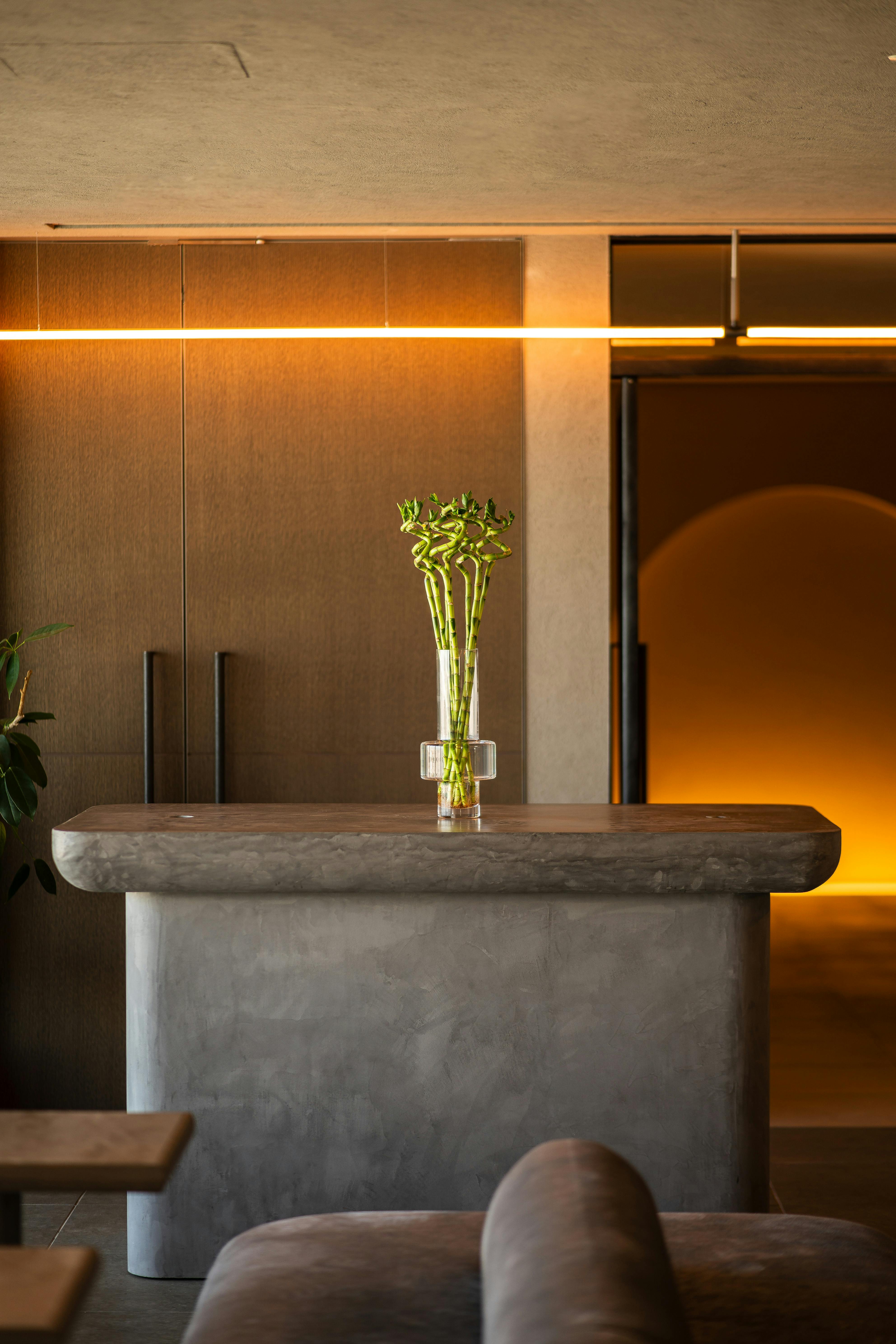

Shakkei: The Art of Borrowed Scenery
At Studio Kura, our approach to the landscape is guided by the ancient Japanese principle of Shakkei, or "borrowed scenery." We treat the outdoors as a fluid component of the interior design palette, utilizing the structure itself to mask the chaotic elements of nature while accentuating its most tranquil rhythms.
This requires a surgical precision in the placement of apertures. A low, horizontal ribbon window placed at floor level changes the entire gravity of a room, drawing the eye down to focus on moss, raw earth, or the soft movement of a courtyard pond. Conversely, a vertical skywell isolates the treetops and the solar trajectory, completely blocking out neighboring structures and grounding the occupant in the celestial rhythm of the day.
The Foundations of the Curated Vista
The Isolated Focal Point: Designing windows that reveal only a singular natural element—a solitary rock formation, a specific tree trunk, or a slice of water—rather than an overwhelming horizon.
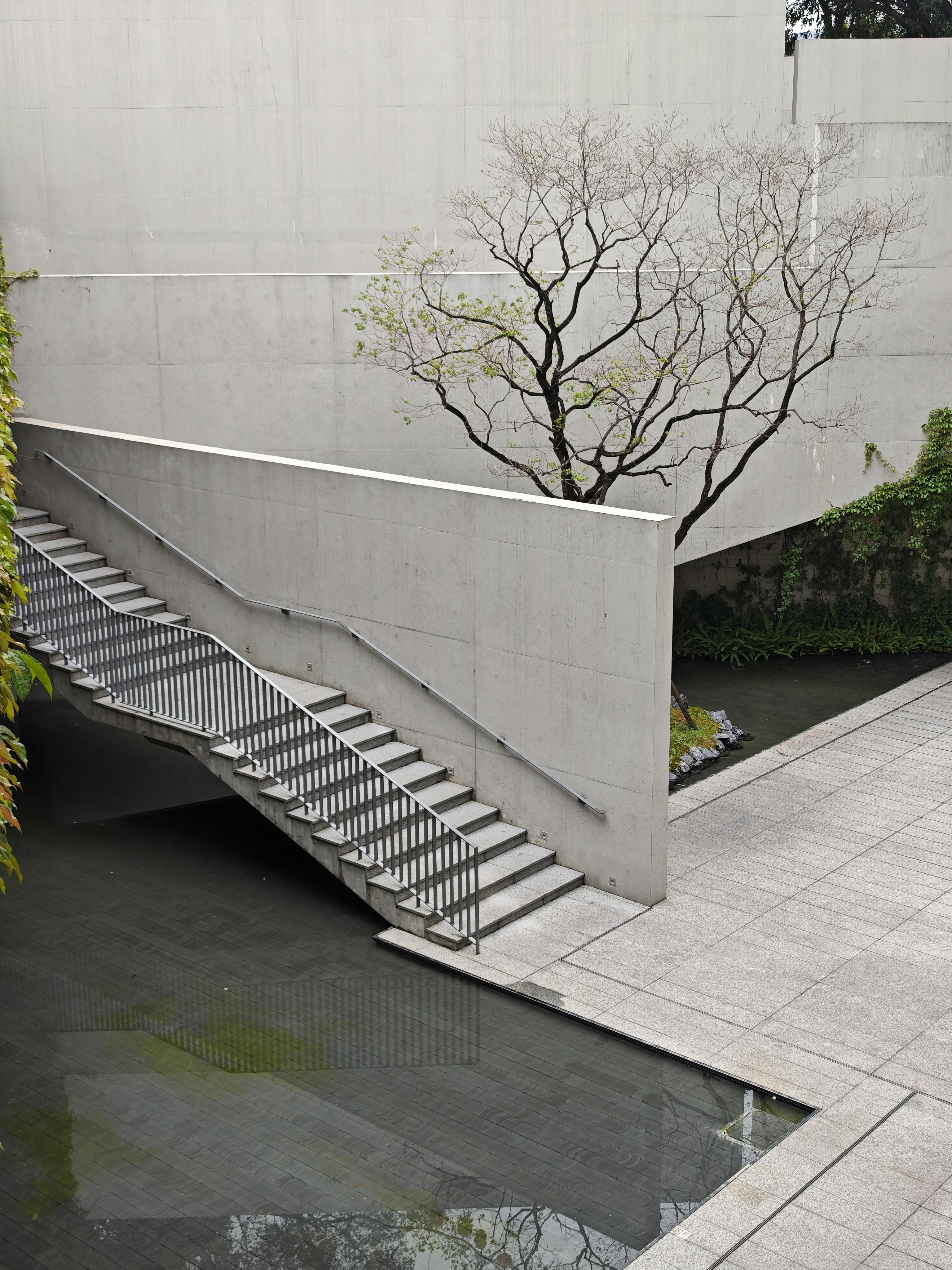
The Material Continuum: Extending a raw concrete or slate wall seamlessly from the interior out into the landscape, visually tricking the mind into believing the sanctuary holds no boundaries.
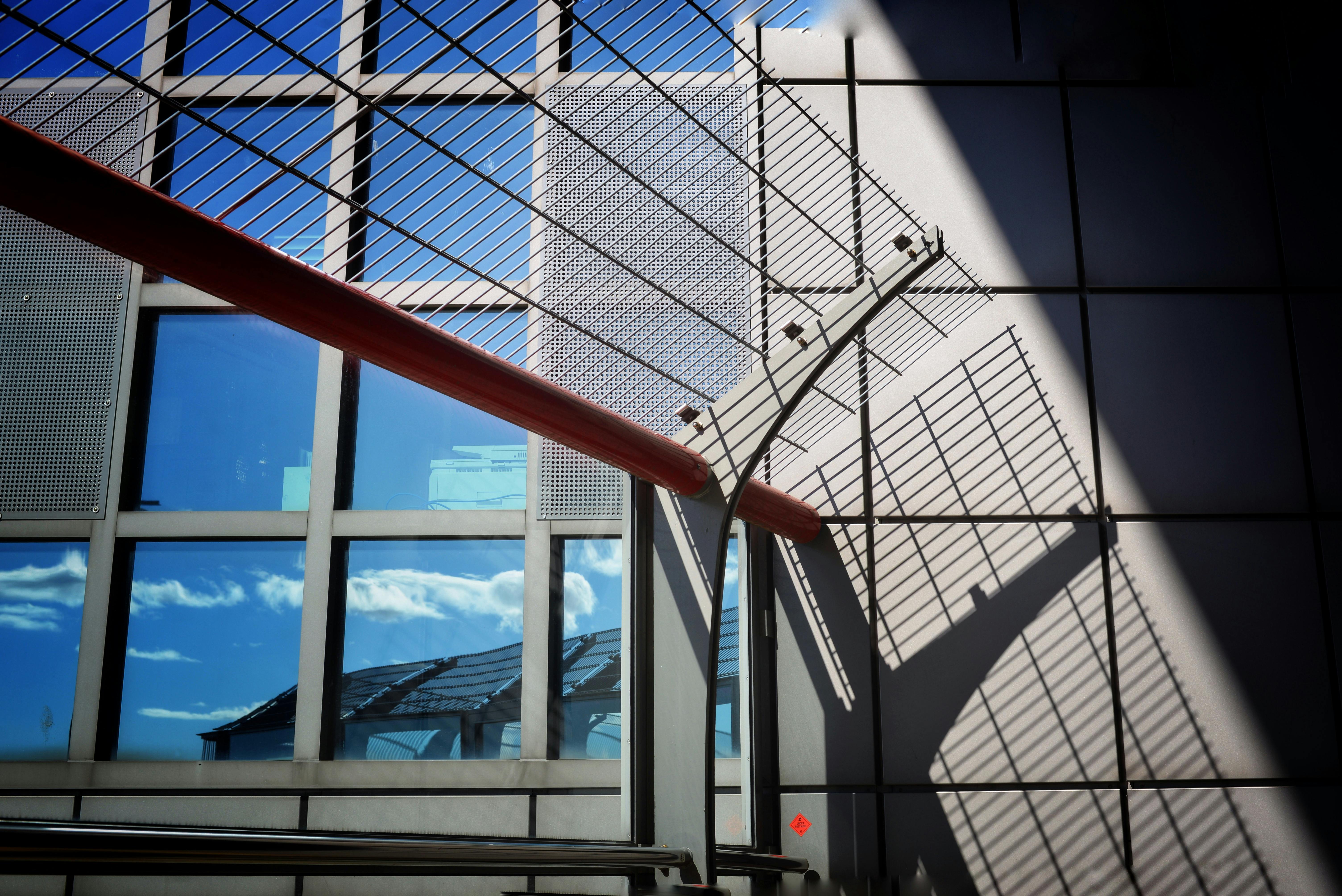
The Living Shadow Canvas: Utilizing sand-textured interior walls specifically positioned to catch the dancing, kinetic shadows of external tree branches as the sun moves across the sky.
When you master the art of the framed horizon, the home becomes a mechanism for deep observation. You are no longer exposed to the volatile whims of the outdoor elements; instead, you are safely ensconced within a quiet fortress, watching the world unfold through a lens of absolute clarity.