Spatial Flow / Psychological Architecture
The Art of the Threshold
Why the spaces between rooms are the most critical components of luxury architecture, acting as psychological compression chambers that strip away urban chaos before you even reach the living space.
The Flaw of Immediate Arrival
In the rush to maximize square footage, modern luxury developments have made a fatal mistake: they have eliminated the transition. Today, a door opens, and you are instantly deposited into the main living arena. There is no pause, no buffer, and no time for the mind to recalibrate. The chaos of the outer world—the traffic, the visual noise, the frantic pace of the city—is carried directly onto the living room rug.
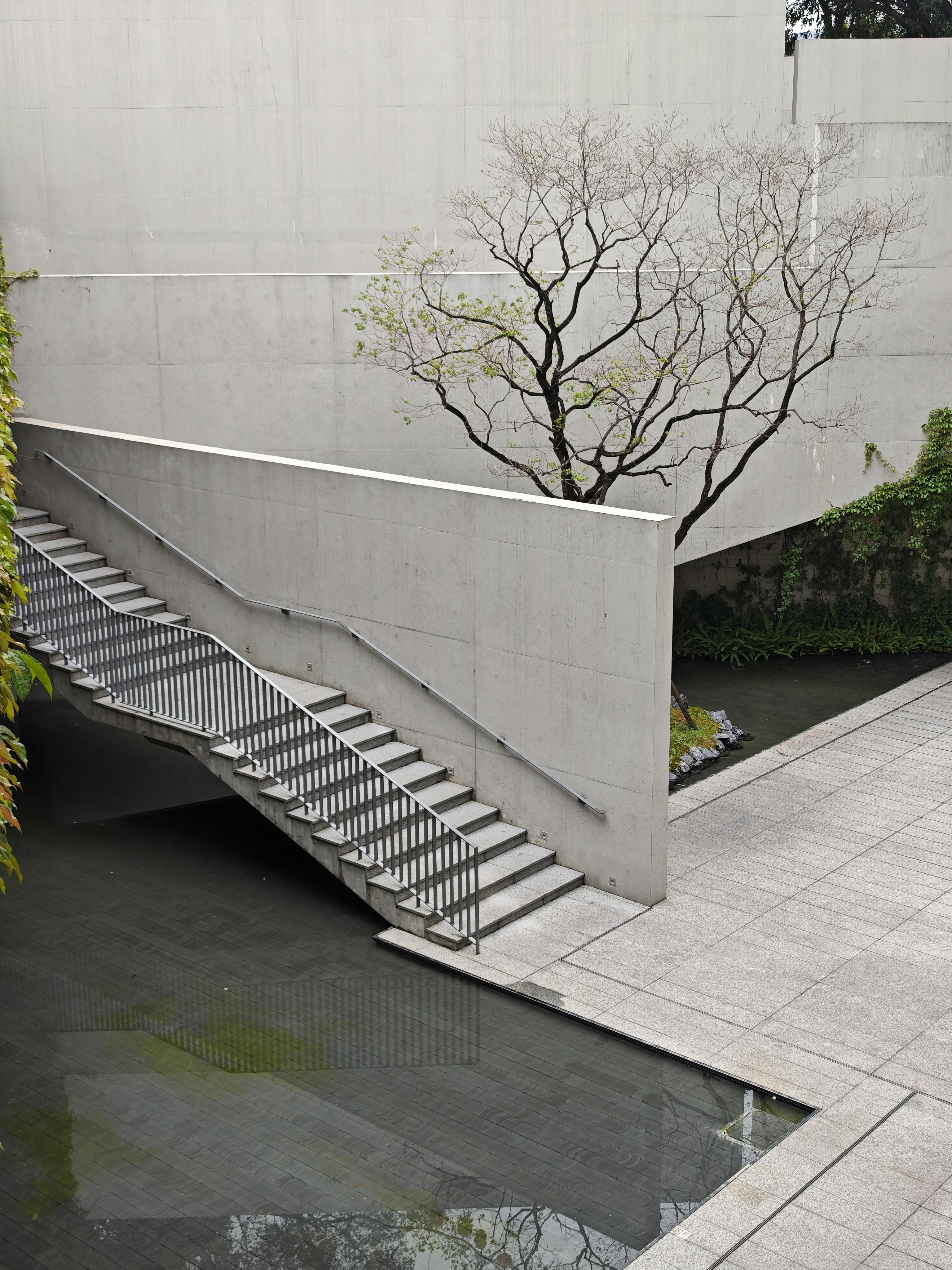
True luxury understands that peace is not an on-off switch; it is a gradual descent. The ancient masters of Japanese architecture understood this intimately through the concept of the Genkan or the Roji (the dew path leading to a teahouse). The journey toward the sanctuary must be treated with as much architectural reverence as the sanctuary itself.
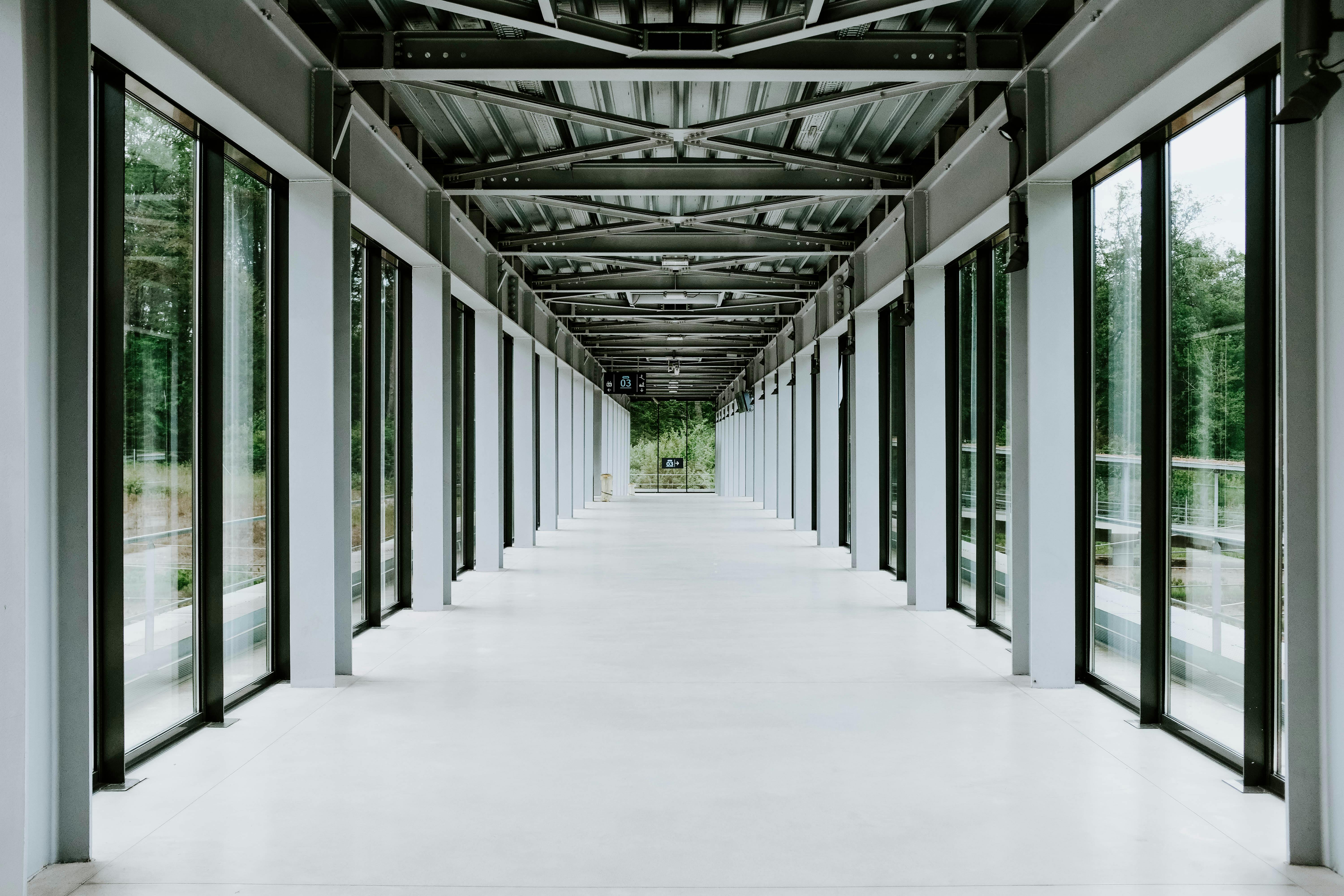
"A home that forces you to arrive all at once is a home that fails to protect you. We must build corridors that act as filters, catching the debris of the outside world before you step into the light." — Elias Kenzo
By deliberately lengthening the entry sequence, we create a spatial palette cleanser. We design the threshold to slow your footsteps, lower your shoulders, and transition your mind from active scanning to absolute presence.
The Mechanics of Spatial Decompression
To design an effective threshold, an architect must manipulate scale, light, and orientation. At Studio Kura, we utilize a technique called Compression and Expansion.
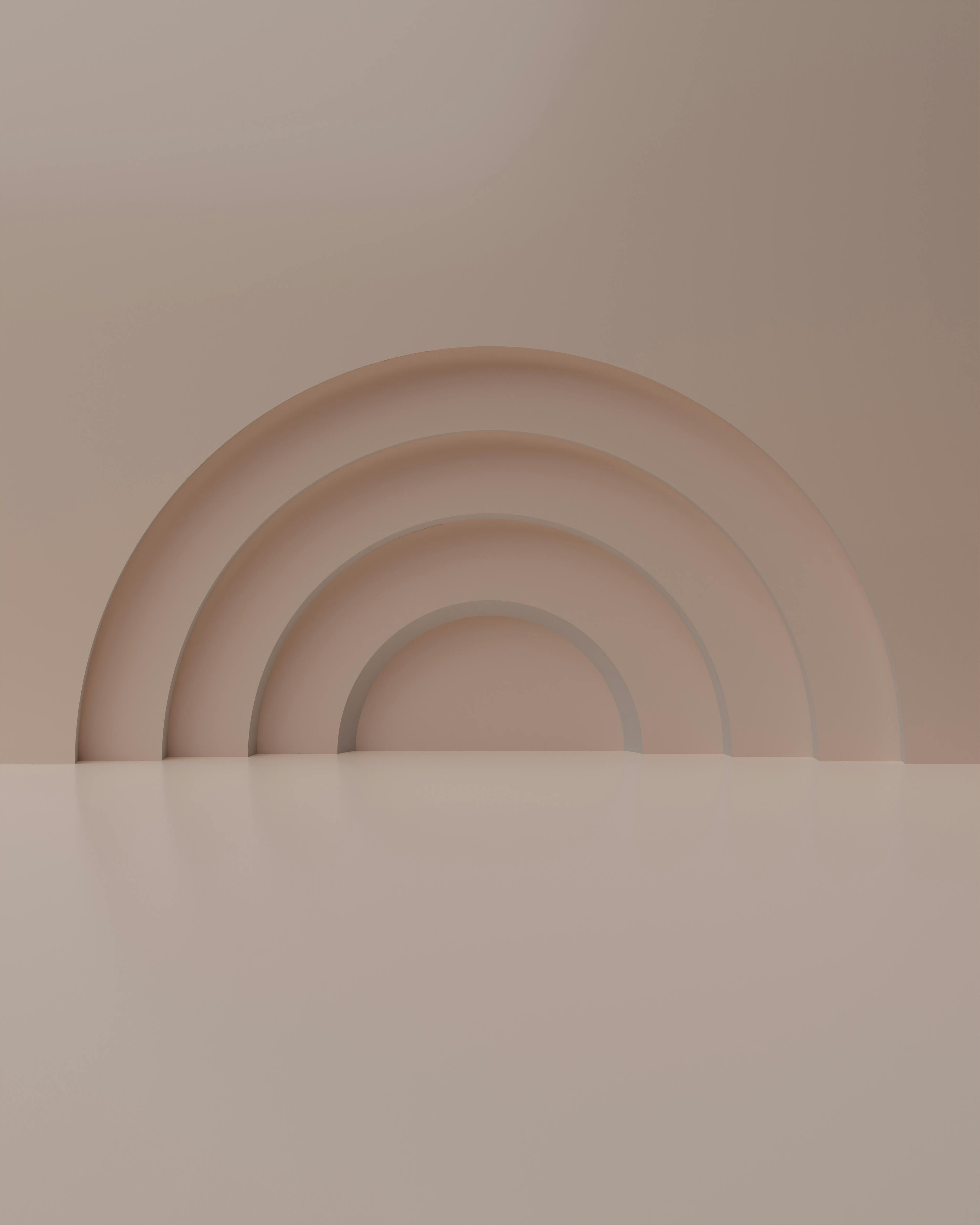
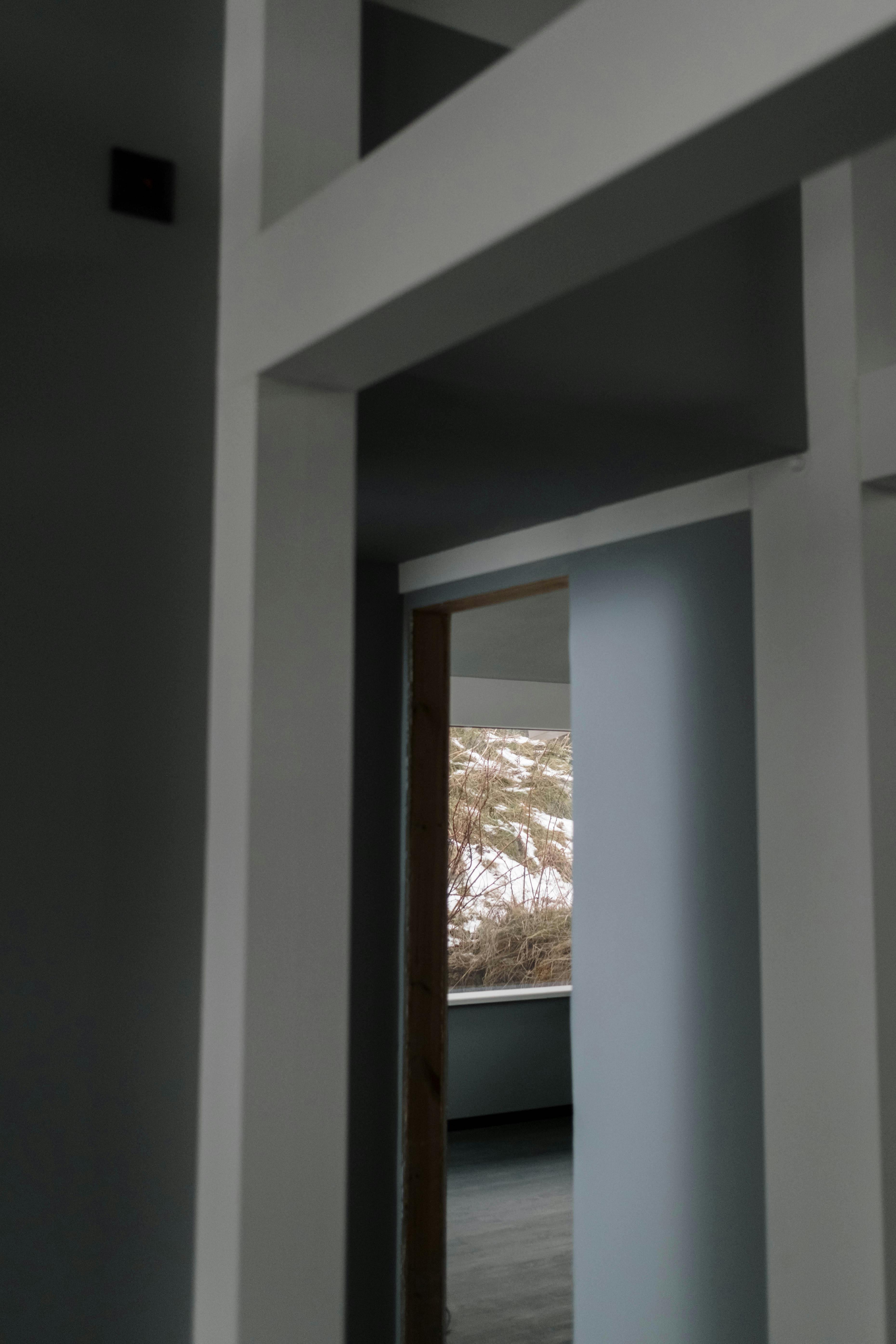
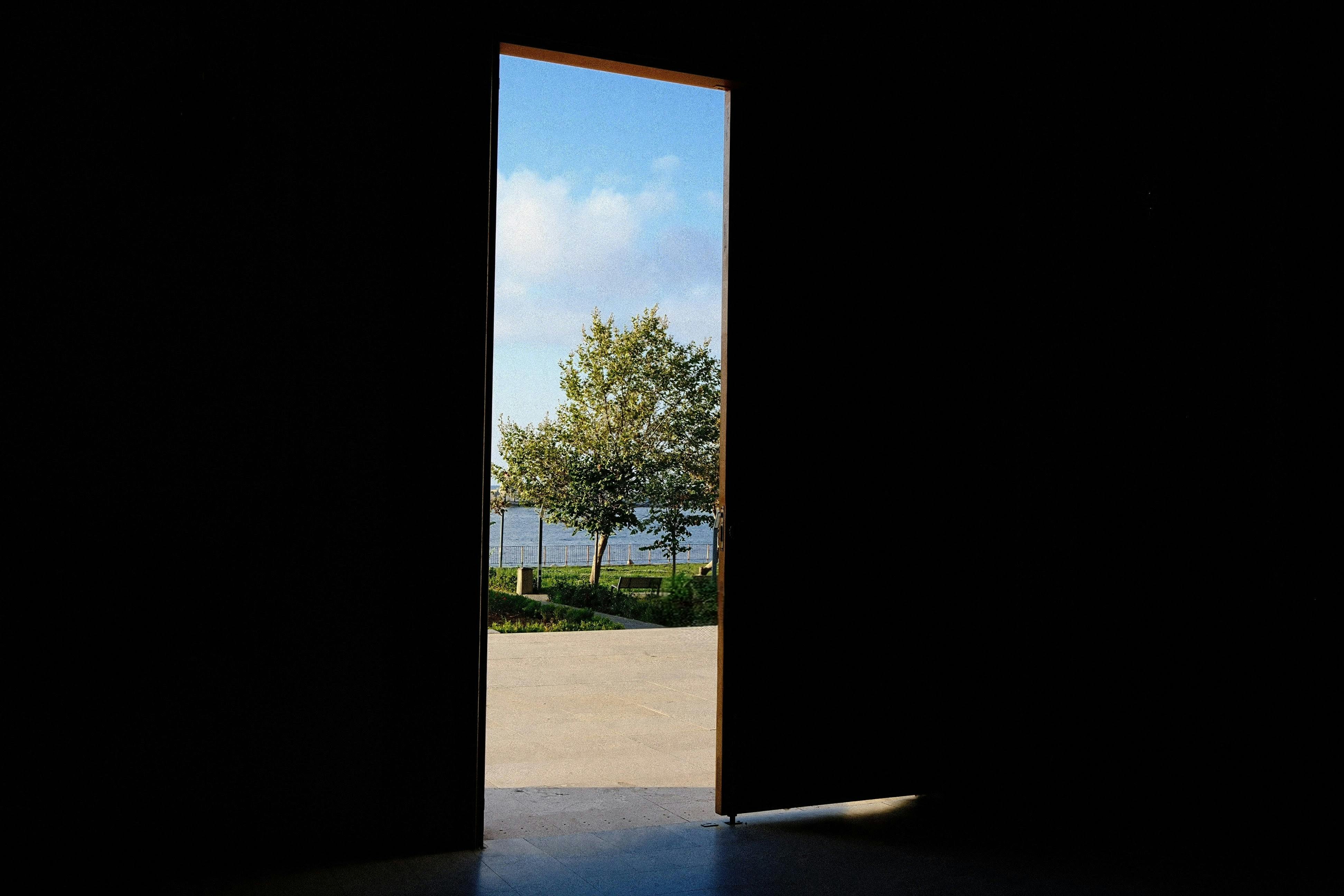
We deliberately design entry hallways to be narrower, taller, and more dimly lit than the rooms they lead to. This creates a physical sensation of enclosure—a psychological protective hug. As you walk through this compressed space, your focus shifts inward. Then, at the exact moment the corridor ends, the architecture opens up into a wide, sun-drenched, high-ceilinged room.
This dramatic shift in volume creates a profound emotional impact. The main living space feels exponentially larger, brighter, and more peaceful because your nervous system just experienced its opposite.
The Mechanics of the Threshold
The Decelerated Corridor: Long, unadorned hallways lined with dark, tactile materials like slate or charcoal plaster that absorb ambient sound and encourage a slower pace.
The Architectural Pivot: Designing 90-degree turns in the entry path to completely block the visual sightlines of the front door from the living space, ensuring the outside world is physically and visually erased.
The Sensory Reset: Placing a singular sensory anchor—a recessed wall niche with a piece of art illuminated by a pin-spot, or the subtle sound of a hidden water drop—at the transition point to reset the mind's cognitive processing.
When we respect the spaces between, we transform a house from a collection of rooms into a sacred journey. The threshold is where you drop the weight of who you have to be out there, so you can step into who you are when you are entirely safe.