Spatial Psychology / Architectural Theory
The Anatomy of Stillness
How editing a space down to its bare architectural essentials transforms the human psyche from chaos to profound tranquility.
The Cognitive Load of Abundance
In modern design, we are constantly bombarded by the gospel of addition. More fixtures, smarter systems, more intricate moldings, and bolder statements. Yet, walk into a traditional Japanese tea house or a raw brutalist sanctuary, and the immediate physical reaction is not a desire for more—it is a profound, involuntary sigh of relief.
Every object, texture, and intersecting line in a room demands a microscopic tax on human attention. When a space is cluttered, the mind remains in a state of low-level, ambient scanning, unable to fully settle. True architectural luxury is not the presence of premium materials; it is the absence of visual noise.
"Space is not an empty void waiting to be filled, but a sacred container to be fiercely protected." — Elias Kenzo
By removing the non-essential, we don't reduce the room; we amplify the human experience within it. We call this the architecture of subtraction.
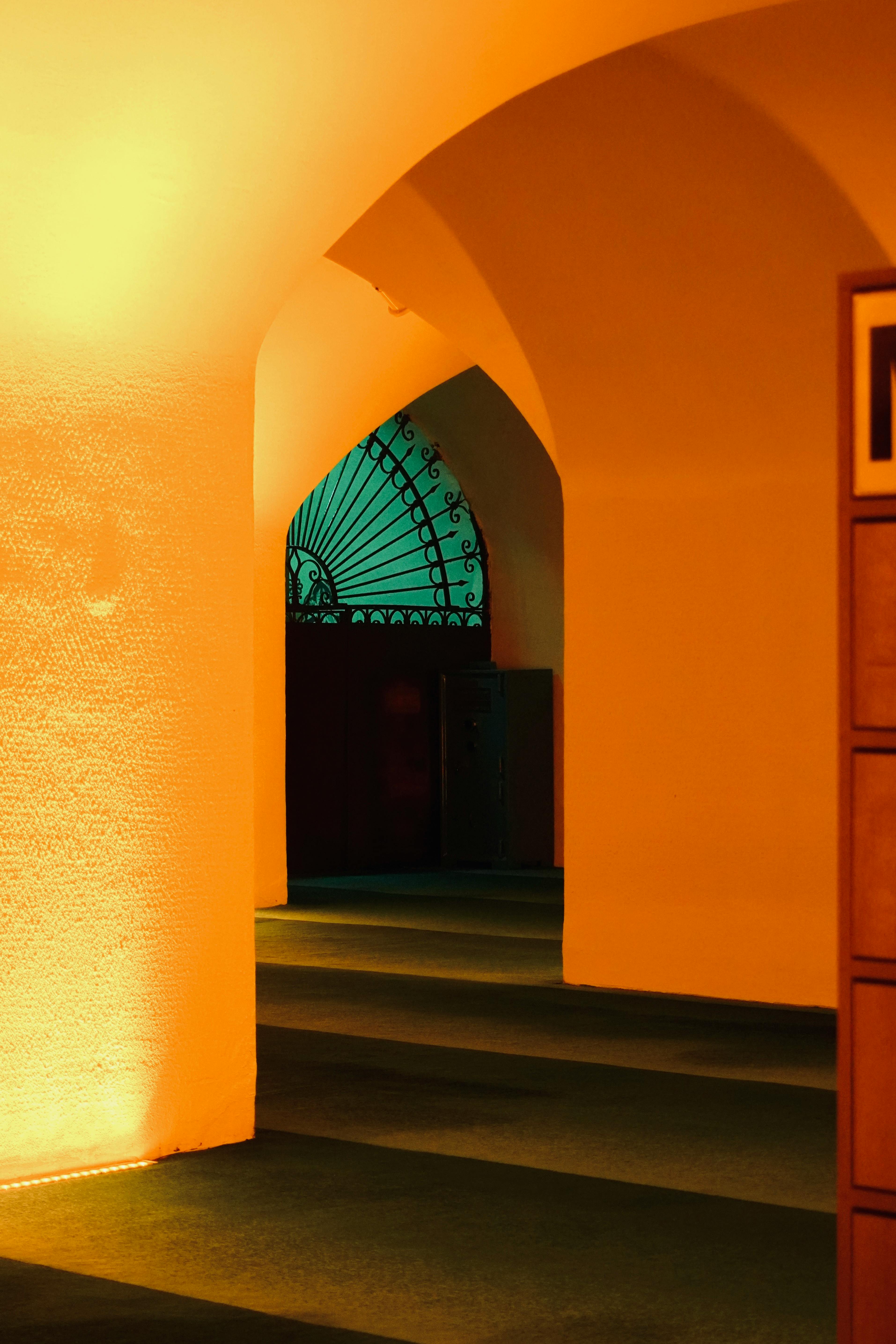
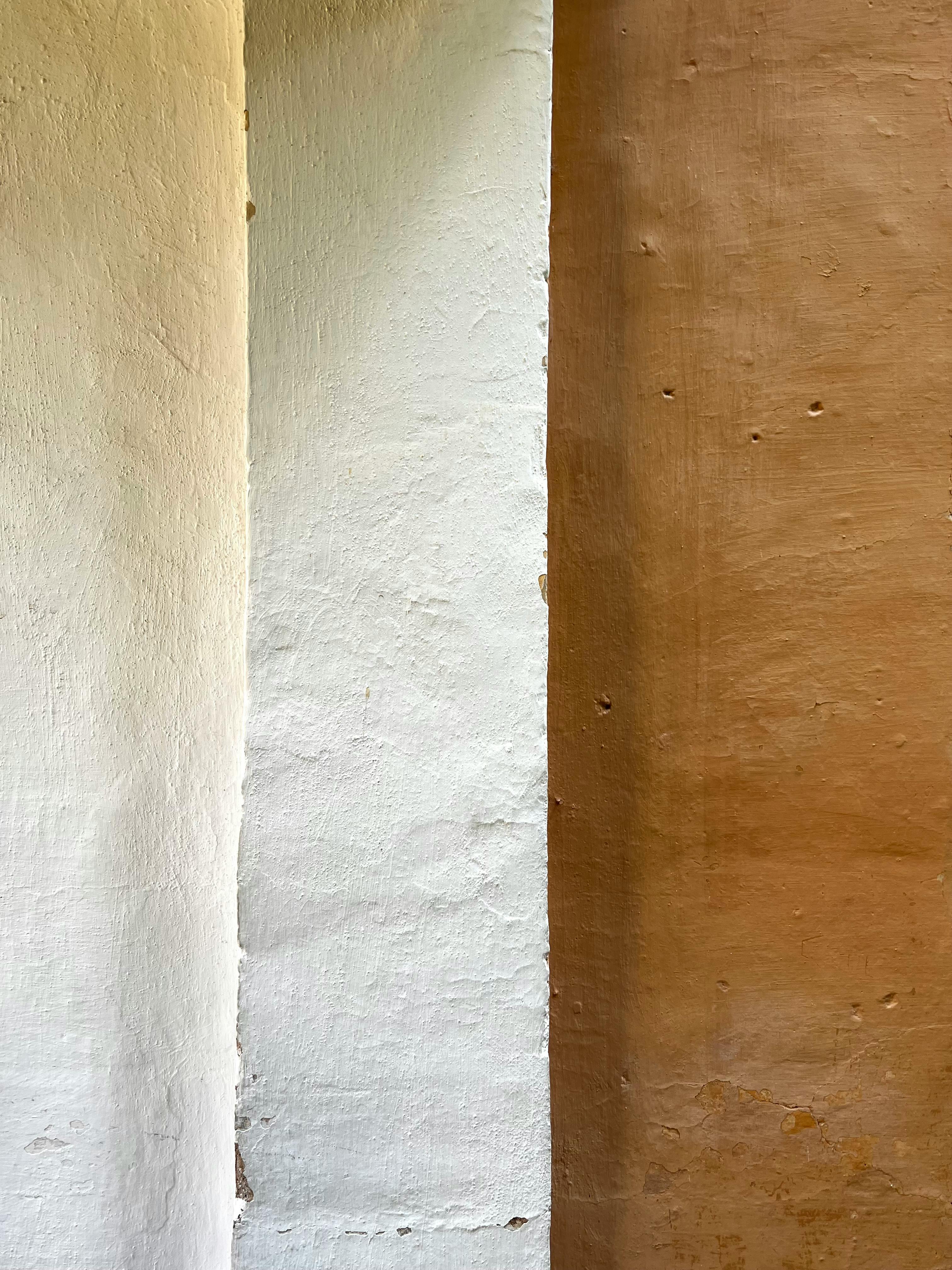
Sculpting and Grounding: Materiality as an Anchor
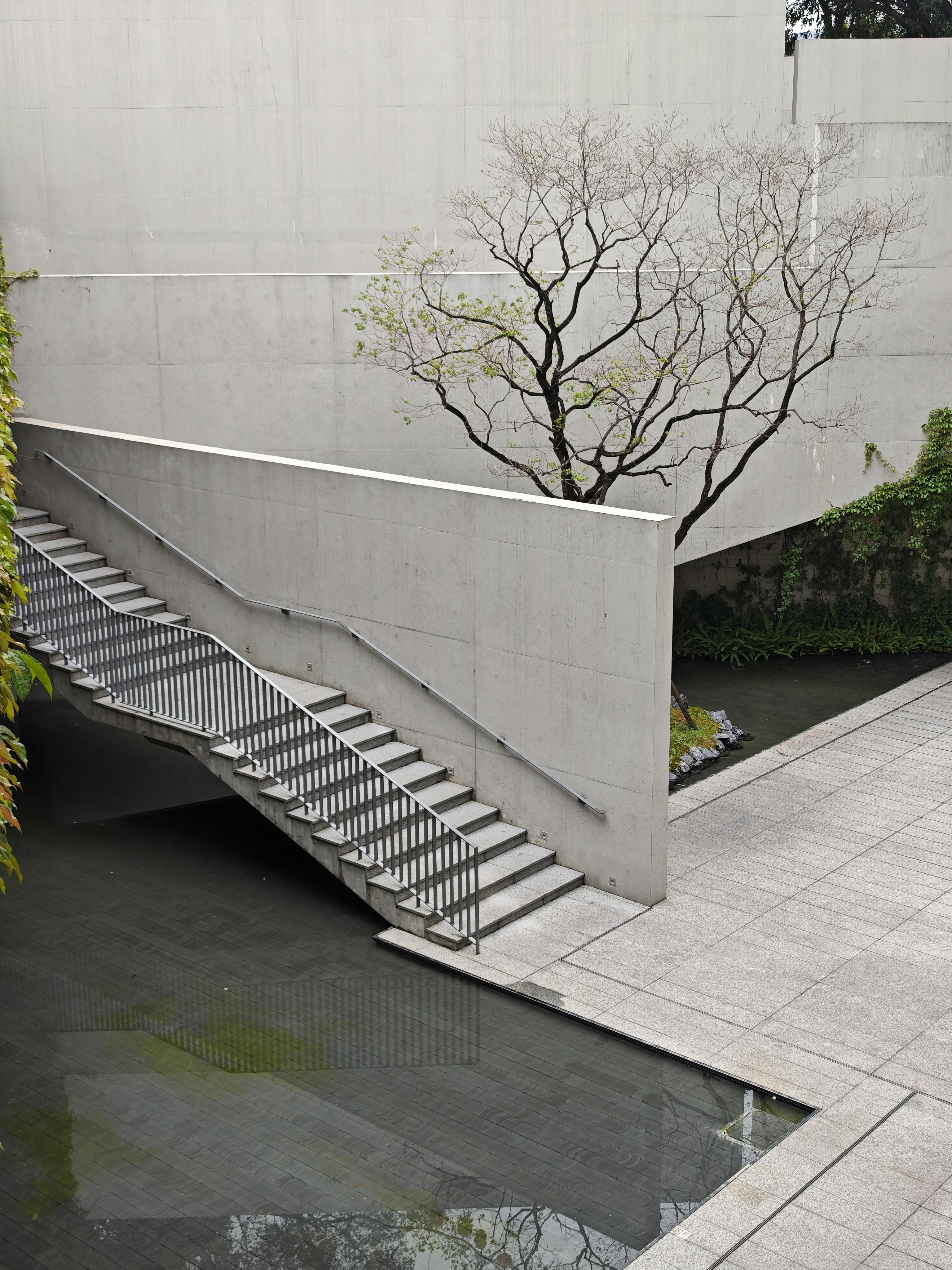
When we remove the artificial layers, we force a direct confrontation with raw materiality. In a Kura-designed environment, a wall is never just a partition. It is an honest texture—poured concrete that retains the grain of the wooden formwork, or unpolished travertine that tells an ancient geological story.
These materials are chosen because they possess gravity. They ground the human nervous system. When the eye rests on a textured stone surface illuminated by a single, deliberate shaft of sunlight, the mind stops scanning. It anchors.
The Three Foundations of Spatial Architecture
The Slower Horizon: Designing low-profile elements that encourage the eye to rest downward, lowering heart rates.
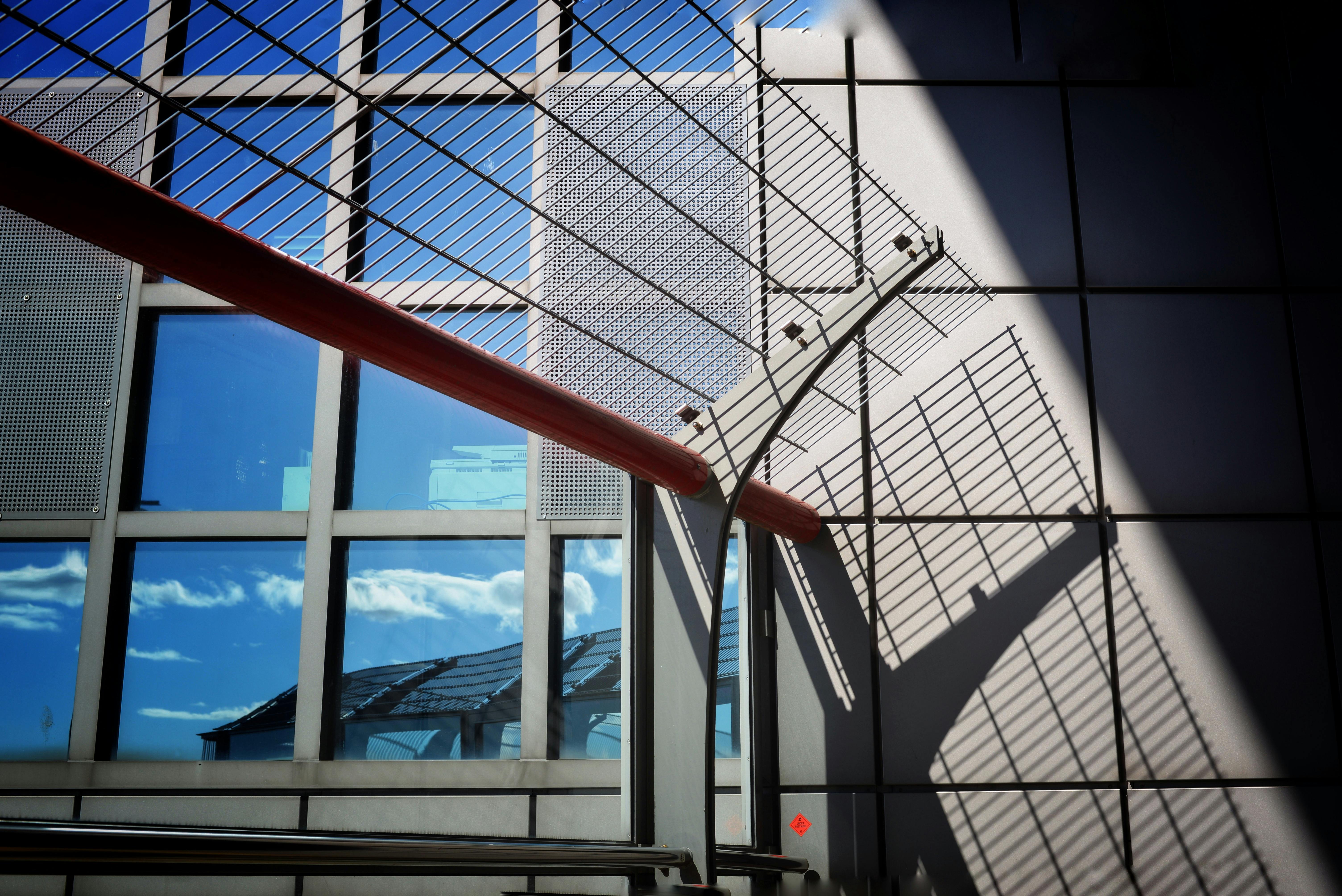
The Chronological Shadow: Allowing natural, un-diffused sunlight to slice through deep apertures, mapping the passage of time across the floor.
The Acoustic Shield: Utilizing thick, porous materials to absorb ambient sound waves, creating a psychological distance from the outside world.
To build a treasury of life, we must first build a fortress against noise. The path to a tranquil life begins with the refusal to compromise on emptiness.