Lighting Design / Architectural Philosophy
In Praise of Shadows
Why the relentless pursuit of over-illuminated spaces destroys architectural intimacy, and how sculpting intentional darkness can foster an unparalleled sense of safety and inner calm.
The Tyranny of the Over-Illuminated World
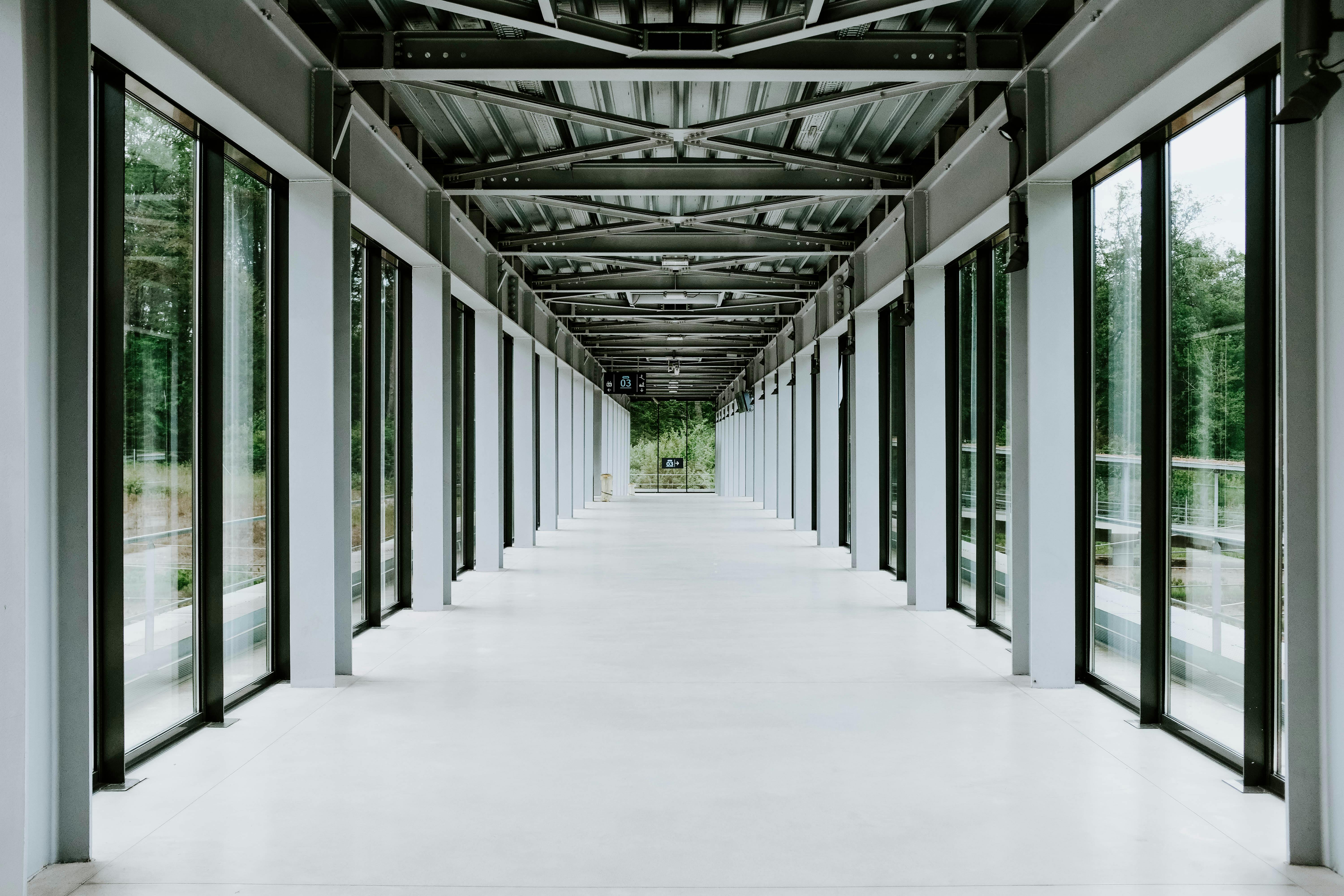
Modern architecture has developed an unhealthy obsession with total illumination. We are told that bigger windows, brighter LEDs, and entirely transparent glass structures are the keys to well-being. Yet, in erasing darkness, we have inadvertently erased intimacy. A space that is entirely bright leaves nowhere for the human eye—or the human spirit—to hide. It exposes rather than protects.
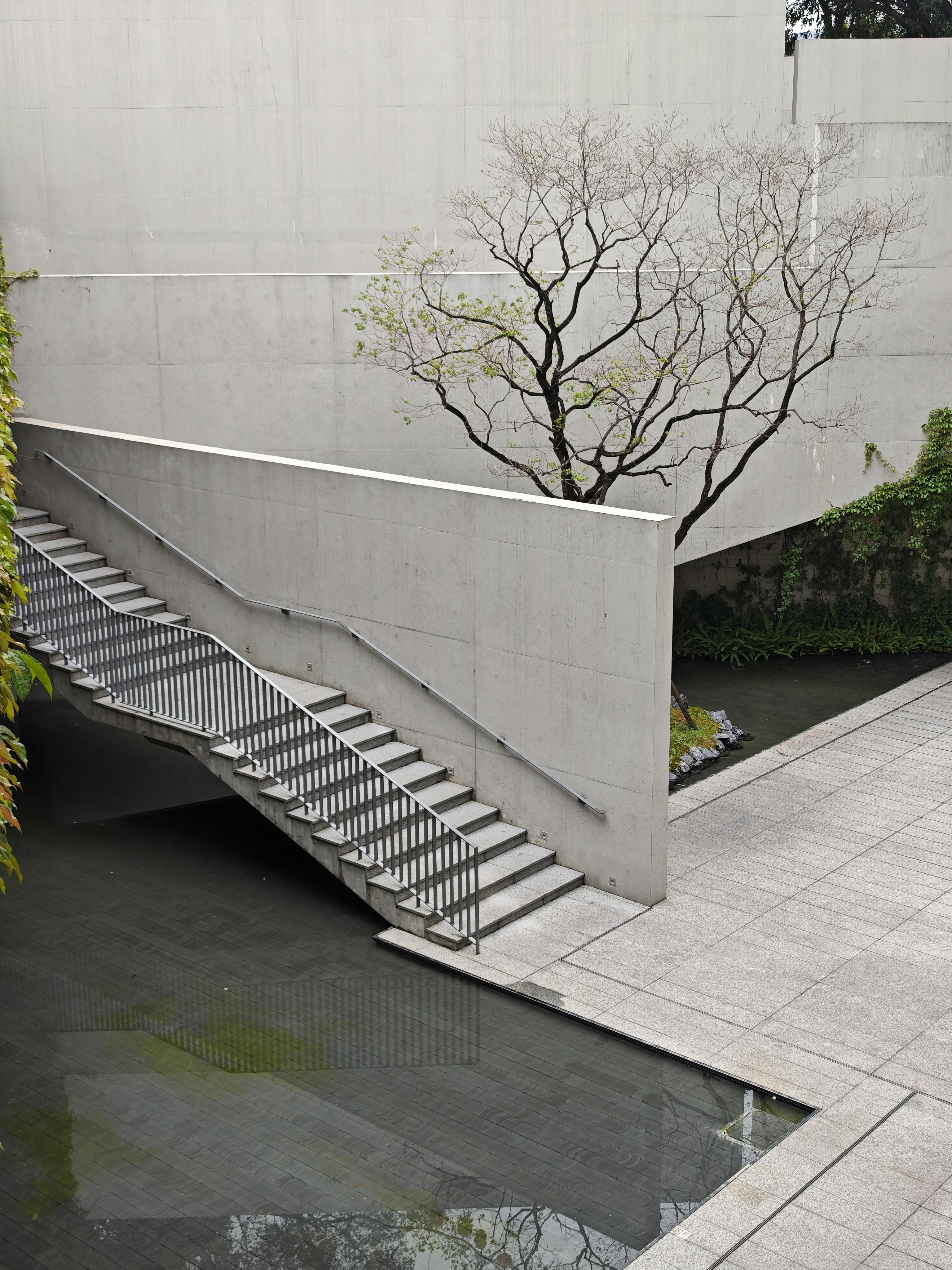
When a room lacks shadow, it lacks depth. Without the contrast of darkness, the texture of a concrete wall or the grain of a timber column loses its voice. Shadows are not the absence of design; they are the texture of light itself.
"Quality of life is not found in glare, but in the soft gradients where light gently surrenders to shadow." — Elias Kenzo
To build a true treasury for life, we must treat darkness as a premium material. It is within the quiet, shaded corners of a room that the mind finally feels secure, unobserved, and at peace.

Designing the Chronological Shadow
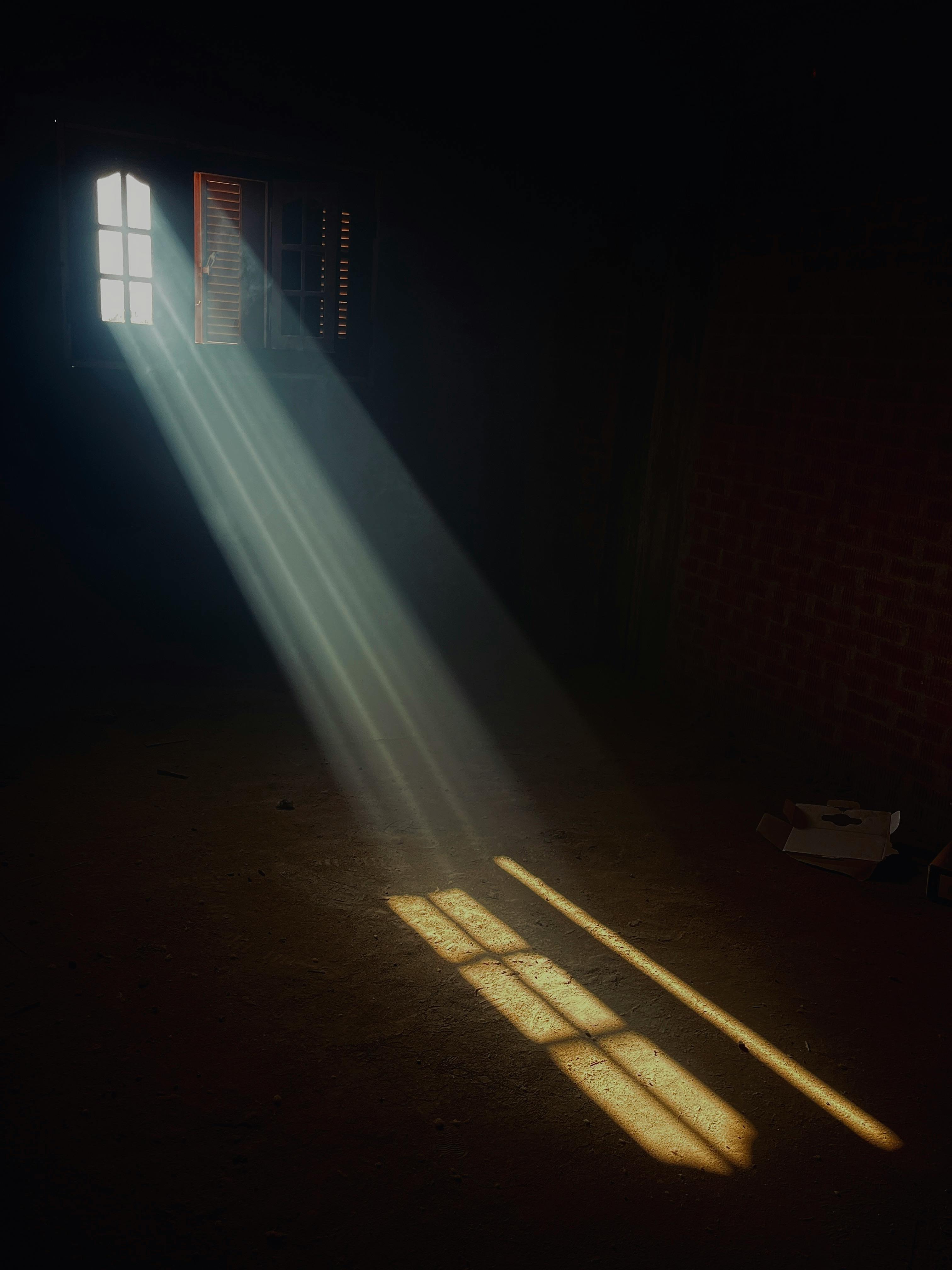
At Studio Kura, we do not design lighting layouts; we architect the movement of time. By using deep-set apertures, structural overhangs, and vertical skywells, we control exactly how and when light enters a sanctuary. The result is a living room that doesn't rely on artificial switches to change its mood, but shifts organically from morning clarity to twilight stillness.
This approach requires an intimate understanding of the solar trajectory and material deflection. A rough, dark slate wall will absorb glare and lengthen a shadow, while a brushed aluminum track will catch a stray beam of light and bounce it softly into an adjacent corridor.
The Architecture of Eclipse
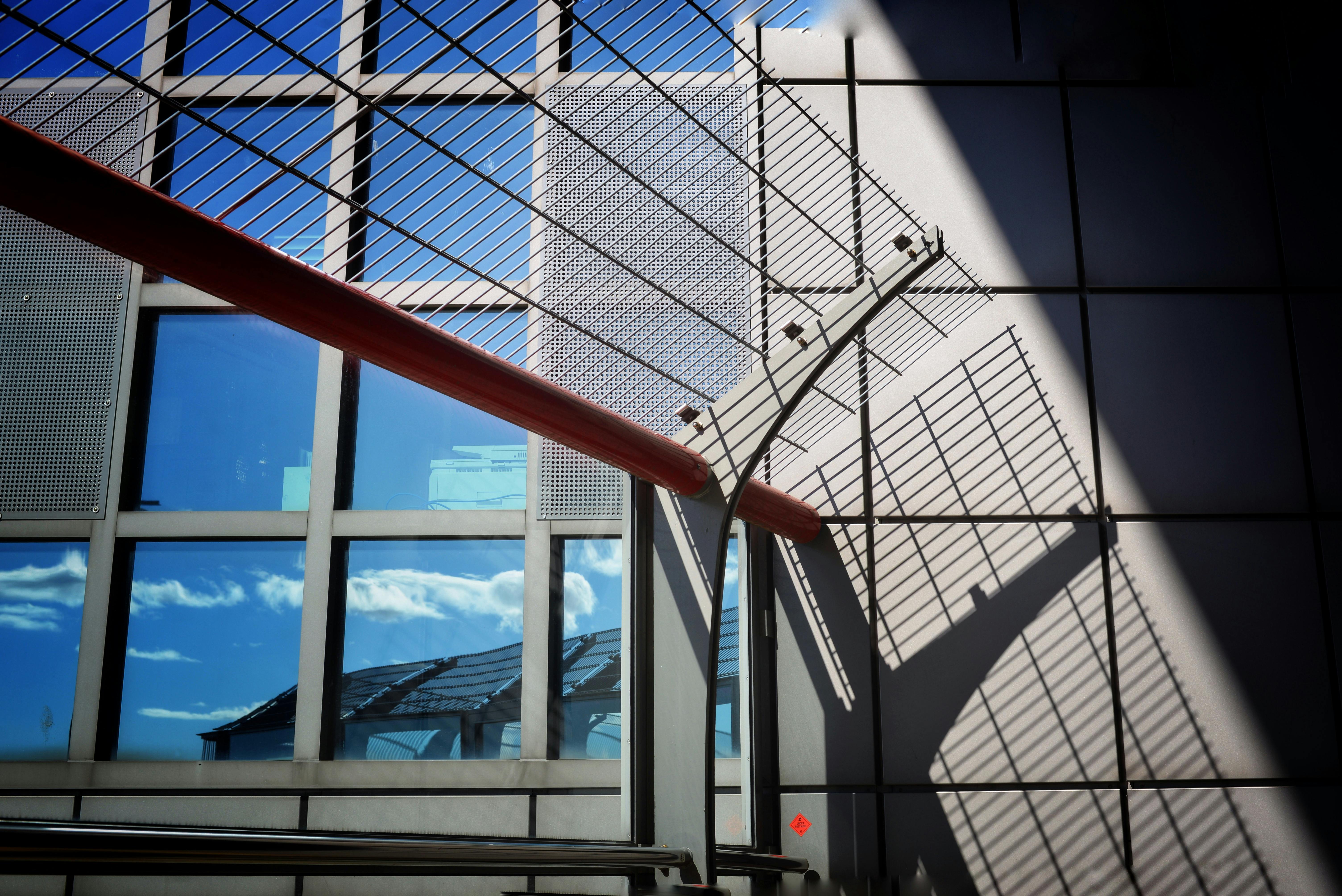
The Deep Aperture: Slicing narrow windows through thick walls to turn harsh external sunlight into a controlled, geometric blade of light.
The Recessed Cove: Hiding light sources entirely within the structural geometry, ensuring that illumination behaves like vapor—felt, but never seen directly.
The Velvet Transition: Creating deliberate, dark transitional hallways between rooms to reset the visitor's sensory processing and heighten the feeling of arrival.
When you allow a house to have its dark corners, you give it a soul. We build spaces that change as the earth turns, reminding the occupant that true luxury is the freedom to step out of the glare and rest in the shade.